• Skip to primary navigation
  • Skip to main content
  • Skip to primary sidebar

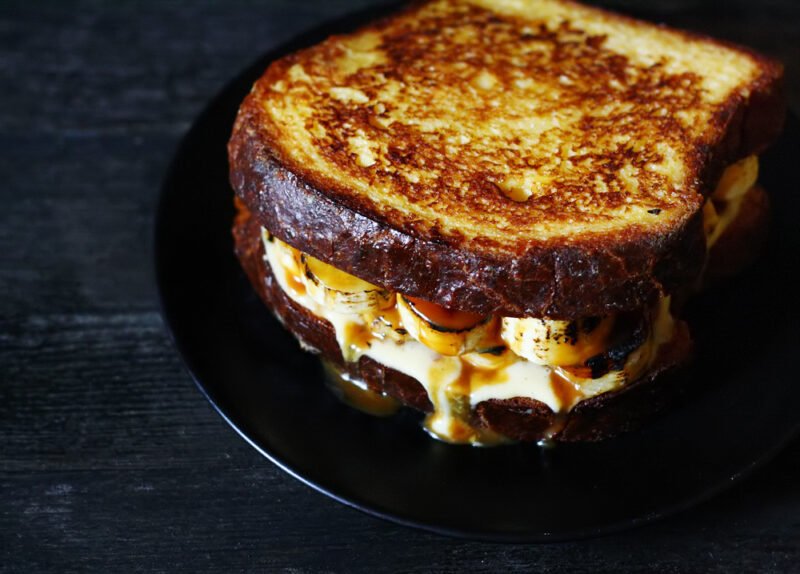
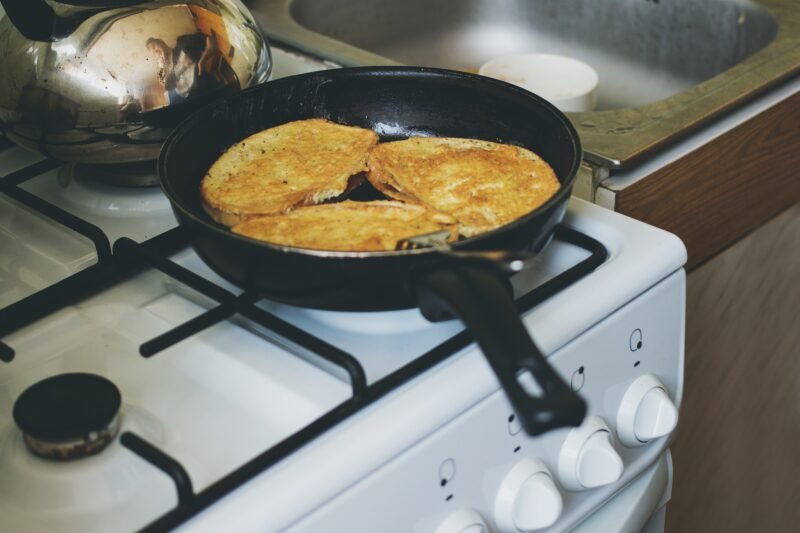
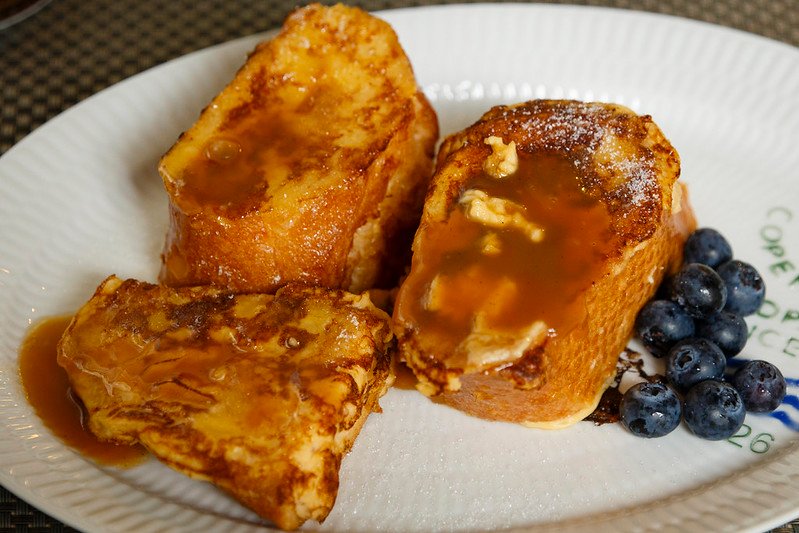
How To Make French Toast

THE INTERNETS BEST FRENCH TOAST SITE

  • The Basics
  • Recipes
  • Bread
  • Casseroles
  • About
  • Legal Stuff

Archives for September 2022

Egg Casserole

11/09/2022 by Margo Townsend Leave a Comment

How to Make the Perfect Egg Casserole for Breakfast

Egg Caserole

Breakfast is the most important meal of the day, and an egg casserole is a great way to start your morning off right. With a few simple ingredients, you can create a delicious and nutritious egg casserole that will keep you full until lunchtime. Here are some tips for making the perfect egg casserole for breakfast.

First, preheat your oven to 350 degrees Fahrenheit. Grease an 8×8 inch baking dish with butter or cooking spray and set aside.

Next, prepare your ingredients. You will need 6 large eggs, 1 cup of milk (dairy or non-dairy), 1/2 teaspoon of salt, 1/4 teaspoon of black pepper, 2 cups of shredded cheese (cheddar or mozzarella work well), and any additional toppings such as cooked bacon or sausage crumbles, diced bell peppers or onions, mushrooms etc..

In a medium bowl whisk together the eggs and milk until combined then season with salt and pepper. Pour this mixture into the prepared baking dish then top with shredded cheese and any other desired toppings. Bake in preheated oven for 25-30 minutes until golden brown on top and center is set when tested with a toothpick inserted in center comes out cleanly without wet batter attached to it .

Once finished baking let cool slightly before serving warm with toast or biscuits on the side . Enjoy!

5 Delicious Egg Casserole Recipes for Brunch

Brunch is a great way to gather friends and family for a delicious meal. Egg casseroles are an ideal dish to serve at brunch, as they can be made ahead of time and easily feed a crowd. Here are five delicious egg casserole recipes that will make your next brunch extra special.

1. Spinach and Feta Egg Casserole: This savory egg casserole is packed with flavor from spinach, feta cheese, garlic, and herbs. It’s perfect for feeding a large group of people and can be served with toast or muffins on the side.

2. Bacon-Hash Brown Egg Casserole: This hearty breakfast dish combines crispy bacon, shredded hash browns, eggs, cheese, onion, bell pepper, and spices into one delicious package that’s sure to please everyone at the table.

3. Sausage-Mushroom Egg Casserole: This flavorful egg casserole features sausage crumbles combined with mushrooms in a creamy sauce topped with melted cheese for an irresistible combination of flavors that will have everyone coming back for seconds!

4. Ham-and-Cheese Strata: A classic strata is always welcome at any brunch gathering! This version combines cubed ham with Swiss cheese in an egg custard base that’s baked until golden brown on top – it’s sure to be a hit!

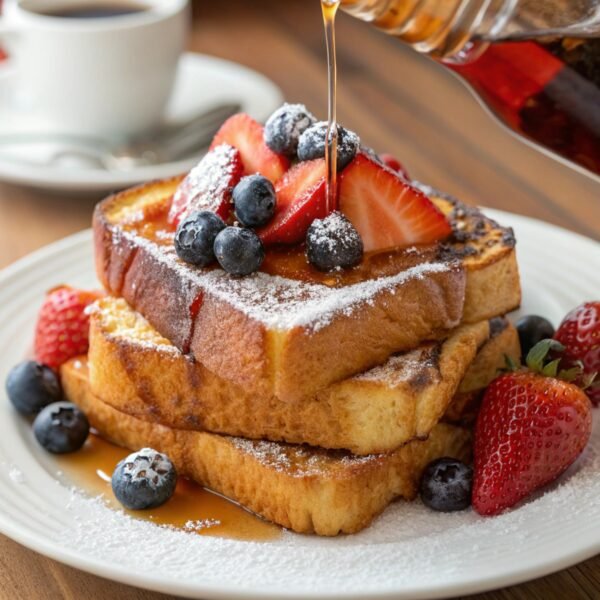
5. French Toast Bake: For something sweet instead of savory try this French toast bake recipe – it has all the flavors of traditional French toast but in an easy-to-make casserole form! Top it off with fresh fruit or syrup before serving for added sweetness!

The Benefits of Eating an Egg Casserole for Dinner

Egg casserole is a delicious and nutritious dinner option that can provide numerous health benefits. This dish is easy to prepare and can be customized with a variety of ingredients to suit individual tastes. Eating an egg casserole for dinner can help promote overall health and wellbeing.

One of the main benefits of eating an egg casserole for dinner is that it provides a good source of protein. Protein helps build muscle, repair tissue, and produce hormones, enzymes, and other body chemicals. It also helps keep you feeling full longer so you don’t overeat or snack between meals.

Eggs are also rich in vitamins A, D, E, B12, folate, iron and zinc which are essential for healthy skin hair nails bones teeth eyesight energy levels immunity digestion metabolism hormones blood pressure cholesterol levels brain function mood balance concentration memory alertness cognitive function vision hearing taste smell appetite sleep quality stress management libido fertility pregnancy lactation growth development cell regeneration wound healing detoxification inflammation reduction antioxidant protection free radical scavenging DNA repair gene expression enzyme production neurotransmitter production hormone regulation metabolic rate fat burning muscle building bone strengthening joint lubrication joint flexibility joint mobility joint strength collagen production elastin production connective tissue formation nerve transmission nerve impulse conduction nerve signal transmission neurotransmitter release neurotransmitter reuptake nervous system functioning endocrine system functioning cardiovascular system functioning respiratory system functioning digestive system functioning urinary tract functioning reproductive system functioning lymphatic system functioning immune response regulation detoxification processes toxin elimination processes waste elimination processes water balance electrolyte balance acid-base balance mineral absorption mineral utilization vitamin absorption vitamin utilization nutrient absorption nutrient utilization energy metabolism oxygen transport oxygen utilization carbon dioxide transport carbon dioxide elimination glucose uptake glucose storage glucose release fatty acid uptake fatty acid storage fatty acid release amino acid uptake amino acid storage amino acid release nucleic acids uptake nucleic acids storage nucleic acids release cellular respiration cellular replication cellular division cell signaling cell communication cell differentiation cell death apoptosis autophagy gene expression epigenetic modification protein synthesis enzyme activity coenzyme activity metabolic pathway activation metabolic pathway inhibition mitochondrial biogenesis mitochondrial respiration mitochondrial maintenance mitochondrial integrity mitochondrial dynamics oxidative phosphorylation electron transport chain ATP synthesis NADH recycling NADPH recycling redox reactions free radical scavenging antioxidant protection DNA repair RNA transcription RNA translation mRNA processing tRNA processing rRNA processing ribosome assembly ribosome function peptide bond formation peptide bond hydrolysis peptide bond cleavage peptidase activity protease activity proteolysis protein folding protein degradation ubiquitination lysosomal degradation endocytosis exocytosis phagocytosis pinocytosis receptor mediated endocytosis receptor mediated exocytosis transcytosis vesicular trafficking vesicle fusion vesicle fission membrane fusion membrane fission lipid raft formation lipid raft disruption lipid raft stabilization membrane remodeling membrane trafficking ion channel opening ion channel closing ion channel gating calcium signaling potassium signaling sodium signaling chloride signaling magnesium signaling zinc signaling iron signalling copper signalling manganese signalling selenium signalling chromium signalling molybdenum signalling cobalt signalling vanadium signalling nickel sulphur phosphorus boron silicon sulfur nitrogen hydrogen fluoride chlorine bromine iodine arsenic cadmium lead mercury aluminum antimony barium beryllium lithium rubidium strontium yttrium zirconium niobium tantalum hafnium tungsten rhenium osmotic pressure osmotic gradient osmotic equilibrium tonicity hypotonicity hyper

Tips and Tricks for Making a Healthy Egg Casserole

1. Use low-fat dairy products such as skim milk, low-fat cheese, and plain Greek yogurt instead of full-fat versions to reduce the fat content of your egg casserole.

2. Add vegetables such as bell peppers, mushrooms, spinach, and tomatoes to increase the nutritional value of your dish.

3. Use whole grain bread or English muffins for a healthier base than white bread or croissants.

4. Choose lean proteins like turkey bacon or Canadian bacon instead of regular bacon to reduce saturated fat and cholesterol levels in your casserole.

5. Use egg whites instead of whole eggs for a lower calorie option that still provides protein and other nutrients without the extra fat from yolks.

6. Precook vegetables before adding them to the casserole so they are cooked through when you bake it in the oven; this will also help retain their nutritional value better than if they were added raw into the dish before baking it in the oven .

7. If you’re using cheese in your egg casserole, opt for reduced-fat varieties like part-skim mozzarella or reduced-fat Cheddar cheese; these will provide flavor without all of the extra calories from full-fat cheeses .

8 . To add flavor without adding too many calories , use herbs and spices like garlic powder , oregano , basil , thyme , rosemary , paprika , black pepper , etc., rather than high calorie sauces or dressings .

Creative Ways to Use Leftover Egg Casseroles

1. Egg Casserole Frittata: Transform your leftover egg casserole into a delicious frittata by adding some fresh vegetables and cheese. Simply heat the oven to 350°F, spread the egg casserole in an oven-safe skillet, top with your desired ingredients, and bake for 20 minutes or until golden brown.

2. Egg Casserole Quesadillas: Create a tasty quesadilla with your leftover egg casserole by adding some shredded cheese and diced vegetables between two tortillas. Heat a skillet over medium heat, place one of the tortillas in the pan, add the filling ingredients on top of it, then cover with another tortilla before flipping to cook both sides until golden brown and crispy.

3. Egg Casserole Burritos: Make burritos out of your leftover egg casseroles by wrapping them up in warm flour tortillas along with some diced tomatoes and shredded cheese for extra flavor. Heat up a skillet over medium heat before adding each burrito individually to cook until lightly browned on both sides before serving hot!

4. Egg Casserole Omelets: Transform your leftovers into omelets by whisking together eggs with milk or cream before pouring it into a heated skillet over medium-high heat along with any desired fillings such as cooked vegetables or shredded cheese. Cook until lightly golden brown on both sides before serving hot!

5. Egg Casserole Hash Browns: Turn your leftovers into hash browns by shredding potatoes using either a box grater or food processor then combining them with cooked onions and garlic in a bowl along with beaten eggs from the leftover egg casseroles for binding purposes before forming patties that can be fried in oil until crispy on both sides!

The Best Cheeses to Use in Your Egg Casseroles

Egg casseroles are a delicious and easy way to feed a crowd. To make the perfect egg casserole, it is important to choose the right cheese. Here are some of the best cheeses to use in your egg casseroles:

1. Cheddar: Cheddar cheese is one of the most popular cheeses for egg casseroles because it melts easily and has a sharp flavor that pairs well with eggs. It also adds a nice texture to the dish.

2. Gruyere: Gruyere is an aged Swiss cheese that has a nutty, slightly sweet flavor that complements eggs nicely. It also melts well and adds richness to any dish it’s used in.

3. Parmesan: Parmesan is another great choice for egg casseroles because it has a strong, salty flavor that stands up against other ingredients in the dish without overpowering them. It also adds an interesting texture when grated over top of your finished product before baking or broiling it in the oven.

4. Mozzarella: Mozzarella cheese is mild yet flavorful, making it ideal for adding creaminess and stretchiness to your egg casserole without overpowering other flavors in the dish with its own taste profile .

5 . Feta : Feta cheese has a salty tanginess that can add depth of flavor to any egg-based dish . Its crumbly texture makes it easy to sprinkle over top of your finished product before baking or broiling , adding an extra layer of cheesy goodness .

By choosing one or more of these cheeses for your next egg casserole, you can be sure you’ll have an amazing meal!

How to Reheat an Egg Casserole Without Losing Flavor

Reheating an egg casserole without losing flavor can be a tricky task. However, with the right techniques and tools, you can ensure that your egg casserole is just as delicious as when it was first cooked.

The most important thing to remember when reheating an egg casserole is to use low heat. This will help prevent the eggs from becoming rubbery or overcooked. If you are using a microwave, set it on low power and heat for short intervals of time (30 seconds at a time). Stir the casserole in between each interval to ensure even heating throughout.

If you are using an oven, preheat it to 250°F (121°C) and place the dish in for 15-20 minutes or until heated through. Covering the dish with aluminum foil will help keep moisture in while reheating so that your egg casserole does not dry out.

Finally, adding some extra liquid such as milk or cream before reheating can also help keep your egg casserole moist and flavorful while reheating. This will also add some extra richness to your dish if desired!

By following these tips, you can easily reheat your egg casserole without losing any of its flavor or texture!

Q&A

Q: What is an egg casserole?
A: An egg casserole is a dish made with eggs, milk, cheese, and other ingredients such as vegetables or meats. It is usually baked in the oven and served hot.

Q: How do you make an egg casserole?
A: To make an egg casserole, whisk together eggs and milk in a bowl. Add your desired ingredients such as cooked vegetables or diced ham to the mixture. Pour the mixture into a greased baking dish and top with shredded cheese. Bake at 350°F for 30-35 minutes until golden brown on top.

Q: What are some common ingredients used in an egg casserole?
A: Common ingredients used in an egg casserole include eggs, milk, cheese (such as Cheddar or Swiss), cooked vegetables (such as bell peppers or spinach), diced ham or bacon, onion, garlic powder, salt and pepper to taste.

Q: Can you freeze an egg casserole?
A: Yes! Egg casseroles can be frozen for up to 3 months if stored properly in airtight containers or freezer bags. To reheat from frozen state bake at 350°F for 45-50 minutes until heated through completely before serving.

Q: Is there any way to make a healthier version of an egg casserole?
A: Yes! You can use low-fat dairy products instead of full fat ones when making your recipe; use leaner cuts of meat like turkey bacon; add more vegetables like mushrooms; substitute whole wheat bread crumbs for regular bread crumbs; use reduced fat cheeses; reduce the amount of butter/oil used when cooking vegetables; add herbs like parsley for flavor without adding extra calories/fat etc..

Q: How long does it take to cook an egg casserole?
A : It typically takes 30-35 minutes to cook a basic egg casserole at 350°F until golden brown on top and heated through completely before serving. If using frozen state bake at 350°F for 45-50 minutes until heated through completely before serving .

Q : Can I make my own variations on this dish? A : Absolutely! Feel free to experiment with different flavors by adding different types of cheeses (like feta) , meats (like sausage) , spices (like paprika) , herbs (like rosemary) , veggies (like zucchini ) etc.. You can also switch up the type of breadcrumbs you use – try panko instead of regular breadcrumbs – for added crunchiness !

Filed Under: Recipes

What Bread To Use For French Toast

10/09/2022 by Margo Townsend Leave a Comment

The Best Types of Bread for Making French Toast

What Bread To Use For French Toast

French toast is a classic breakfast dish that can be enjoyed by all. It is made by soaking bread in a mixture of eggs, milk, and sugar before frying it in butter or oil. The type of bread used for French toast can make a big difference in the final product. Here are some of the best types of bread for making French toast:

1. Challah: This egg-enriched Jewish bread has a slightly sweet flavor and light texture that makes it ideal for French toast. Its high egg content helps to create an especially fluffy and moist finished product.

2. Brioche: This rich, buttery French bread has an airy texture that soaks up the custard mixture perfectly while still maintaining its shape when cooked. Its subtle sweetness also adds an extra layer of flavour to your French toast.

3. Sourdough: This tangy, chewy loaf is perfect for those who prefer their French toast on the savoury side rather than sweetened with sugar or syrup. The sourdough’s unique flavour pairs well with savoury toppings like bacon or cheese as well as sweeter ones like fruit compote or honeyed yogurt sauce.

4 .Cinnamon Raisin Bread: For those who want to add even more sweetness to their breakfast dish, cinnamon raisin bread is an excellent choice for making French toast due to its already-sweetened nature and spiced aroma from the cinnamon and raisins baked into it .

5 .Texas Toast : Thick slices of Texas Toast are great for creating thick slices of golden brown french toast with plenty of crunch on the outside but still soft on the inside . The large size also allows you to stuff them with fillings such as cream cheese , bananas , strawberries , etc., if desired .

How to Choose the Right Bread for French Toast

When it comes to making French toast, the type of bread you choose is essential. The right bread can make all the difference in creating a delicious breakfast dish. Here are some tips for choosing the best bread for French toast:

1. Choose a sturdy loaf: Look for a loaf that is dense and thick-cut, such as brioche or challah. These types of breads will hold up better when soaked in egg and milk mixture and cooked on the stovetop.

2. Avoid overly sweet loaves: While it may be tempting to use cinnamon raisin or other sweetened varieties, these types of breads tend to become too soggy when cooked in French toast batter. Stick with plainer varieties like white sandwich or Italian loaves instead.

3. Opt for day-old bread: If possible, try to use slightly stale or day-old bread when making French toast as this will help ensure that your slices don’t become too soggy during cooking time.

By following these tips, you can be sure that your next batch of French toast will turn out perfectly every time!

Creative Ways to Use Different Types of Bread for French Toast

French toast is a classic breakfast dish that can be enjoyed in many different ways. While the traditional recipe calls for white bread, there are a variety of other types of bread that can be used to create delicious and creative French toast recipes. Here are some ideas for using different types of bread to make French toast:

1. Challah Bread – This egg-enriched Jewish bread is perfect for making French toast due to its light and fluffy texture. To make it even more decadent, try adding some cinnamon or nutmeg into the egg mixture before dipping the slices in it.

2. Brioche – This rich, buttery bread is ideal for making French toast as it absorbs the egg mixture well and gives off a sweet flavor when cooked. For an extra special treat, top your brioche French toast with fresh fruit or chocolate chips before serving!

3. Sourdough – The tangy flavor of sourdough pairs perfectly with sweet toppings like maple syrup or honey when making French toast. To give your sourdough slices an extra crunchy texture, try coating them in crushed cornflakes before dipping them into the egg mixture!

4. Pumpernickel – This dark rye bread has a unique flavor that works wonderfully with savory toppings such as bacon bits or cheese when making French Toast! For an interesting twist on this classic dish, try adding some smoked salmon into your egg mixture before dipping your pumpernickel slices in it!

No matter what type of bread you choose to use for your next batch of French Toast, you’re sure to have a delicious breakfast treat that everyone will enjoy!

The Benefits of Using Challah or Brioche Bread for French Toast

French toast is a popular breakfast dish that can be enjoyed by people of all ages. It is made by dipping bread in a mixture of eggs, milk, and sugar before frying it in butter or oil. While any type of bread can be used to make French toast, using challah or brioche bread will result in an even tastier dish.

Challah and brioche are both enriched breads that contain more fat than regular white sandwich bread. This extra fat helps the French toast become crisp on the outside while remaining soft and fluffy on the inside. The egg mixture also absorbs better into these types of doughs, resulting in a richer flavor overall. Additionally, challah and brioche have a slightly sweet taste due to their higher sugar content which complements the sweetness from the egg mixture perfectly.

The texture of challah and brioche also makes them ideal for French toast as they hold their shape well when soaked in liquid without becoming soggy or falling apart easily like other types of bread might do. This means that you can enjoy thick slices with every bite without worrying about them disintegrating during cooking or eating!

Overall, using challah or brioche for French toast will result in an even tastier dish with superior texture compared to other types of breads such as white sandwich loafs. Not only does this type of dough absorb more liquid for richer flavor but it also holds its shape better when cooked so you can enjoy thick slices with every bite!

Tips and Tricks For Making Perfect French Toast with Any Type of Bread

Making perfect French toast is a simple task that can be accomplished with any type of bread. Here are some tips and tricks to help you make the perfect French toast every time:

1. Start by selecting the right type of bread for your French toast. For a classic, fluffy texture, use thick-cut white or wheat bread slices. If you’re looking for something more indulgent, try brioche or challah.

2. Prepare your egg mixture by whisking together eggs, milk, sugar and vanilla extract in a shallow bowl until combined. You can also add cinnamon or nutmeg for extra flavor if desired.

3. Heat a skillet over medium heat and melt butter in it until it starts to bubble slightly before adding the egg mixture to the pan.

4. Dip each slice of bread into the egg mixture on both sides until fully coated before transferring it to the hot skillet and cooking each side for 2-3 minutes until golden brown and crispy on both sides (you may need to adjust cooking time depending on how thick your slices are).

5 Serve with maple syrup or other toppings of choice such as fresh fruit or powdered sugar! Enjoy!

How To Make Delicious Gluten-Free French Toast with Alternative Grains

Gluten-free French toast is a delicious breakfast option for those who are gluten intolerant or following a gluten-free diet. Traditional French toast is made with wheat bread, but there are many alternative grains that can be used to make a delicious and nutritious version of this classic dish.

To make gluten-free French toast, start by gathering the ingredients. You will need eggs, milk (dairy or non-dairy), sugar, salt, butter (or oil), and your choice of alternative grain bread. Popular options include rice bread, quinoa bread, millet bread, buckwheat bread and sorghum bread.

Once you have all the ingredients ready to go it’s time to get cooking! Begin by whisking together the eggs in a shallow bowl until they are light and fluffy. Add in the milk (or non-dairy milk) along with the sugar and salt and mix until combined. Heat up some butter or oil in a large skillet over medium heat while you dip each slice of alternative grain bread into the egg mixture on both sides until fully coated. Place each slice onto the hot skillet and cook for 2 minutes on each side until golden brown. Serve warm with your favorite toppings such as maple syrup or fresh fruit!

Enjoy your delicious gluten-free French toast!

Exploring Regional Variations in the Types of Bread Used For French Toast

French toast is a popular breakfast dish enjoyed around the world. While the basic ingredients are consistent, regional variations in the types of bread used to make French toast can be found. This article will explore some of these regional variations and discuss how they affect the flavor and texture of this beloved breakfast treat.

In North America, French toast is typically made with thick slices of white bread or brioche. White bread provides a light, fluffy texture that absorbs syrup and other toppings well, while brioche adds a richer flavor due to its higher fat content. In France, however, French toast is often made with baguettes or other crusty loaves of artisanal breads such as pain de campagne or pain au levain. These denser loaves provide a more substantial base for the dish and create an interesting contrast between their crunchy exterior and soft interior when soaked in egg mixture before cooking.

In Germany, French toast is known as Arme Ritter (“poor knights”) and is usually made with stale rye bread or pumpernickel for added flavor complexity. The rye adds an earthy note to the dish that pairs nicely with sweet toppings like honey or jam. In Italy, meanwhile, French toast may be prepared using ciabatta or focaccia for a heartier version that stands up well to savory accompaniments such as prosciutto or cheese.

No matter what type of bread you use for your French toast recipe, it’s important to remember that different types will produce different results in terms of texture and flavor profile. Experimenting with different varieties can help you find your favorite combination!

Q&A

1. What type of bread is best for French toast?
A: The best type of bread to use for French toast is a thick-cut, slightly stale white or wheat bread. Brioche and challah are also popular choices.

2. Does the bread need to be stale?
A: Stale bread works best because it absorbs more egg mixture and will become softer when cooked. However, if you don’t have any stale bread on hand, you can still make delicious French toast with fresh slices of white or wheat bread.

3. Can I use gluten-free or vegan alternatives?
A: Yes! Gluten-free and vegan alternatives such as rice flour, almond flour, coconut flour, oat flour, and other grain-free flours can all be used to make delicious French toast that’s free from gluten and animal products. Just make sure to adjust the amount of liquid in your egg mixture accordingly so that it’s not too runny or too thick.

4. Is there a difference between using white or wheat bread?
A: Yes! White bread tends to absorb more egg mixture than wheat which makes it softer when cooked while wheat has a heartier texture that holds up better during cooking but may not absorb as much liquid as white does resulting in a firmer texture once cooked throughly .

5. Can I use store bought pre-sliced sandwich loafs?
A: Yes! Pre-sliced sandwich loaves are perfectly fine for making French toast but keep in mind that they tend to be thinner than regular sliced loaves so they may not hold up as well during cooking and may require less time in the pan before flipping them over for even cooking on both sides .

6. Are there any other types of specialty loaves I can use?
A: Absolutely! Specialty loaves such as brioche, challah, sourdough, multigrain etc., all work great for making French Toast due their higher fat content which helps them stay moist during cooking while also providing an extra boost of flavor .

7 How should I prepare my slices before dipping them into the egg mixture?
A: Before dipping your slices into the egg mixture it’s important to lightly press down on each slice with your fingers so that they’re evenly coated with the liquid before being placed into the pan – this will help ensure even cooking throughout each piece without having any dry spots left behind after flipping them over .

Filed Under: Bread, General Info, Recipes

French Toast For Two

07/09/2022 by Margo Townsend Leave a Comment

How to Make the Perfect French Toast for Two: Tips and Tricks

French Toast For Two

Credit

Making the perfect French toast for two is a simple and delicious way to start your day. Here are some tips and tricks to help you make the best French toast for two.

1. Choose your bread wisely: The type of bread you use will determine how your French toast turns out, so choose wisely! Opt for a thick-cut, dense bread like brioche or challah that will absorb the egg mixture without becoming soggy.

2. Prep the egg mixture: Whisk together eggs, milk, sugar, vanilla extract and cinnamon in a shallow bowl until combined. This will ensure that all of the ingredients are evenly distributed throughout each piece of French toast.

3. Soak each slice: Dip each slice of bread into the egg mixture on both sides until it’s completely saturated with liquid but not falling apart or overly soggy. Letting it sit in the mixture for about 30 seconds per side should do the trick!

4. Cook it up: Heat a non-stick skillet over medium heat and add butter or oil to coat the bottom of pan before adding soaked slices of bread to cook until golden brown on both sides (about 2 minutes per side). Serve hot with desired toppings such as maple syrup, fresh fruit or powdered sugar!

The Best French Toast Recipes for Two: Sweet and Savory Ideas

Are you looking for the perfect French toast recipes to make for two? Whether you’re in the mood for something sweet or savory, these delicious recipes are sure to please.

For a sweet start to your day, try this classic French Toast recipe. Start by whisking together two eggs, ¼ cup of milk, and a pinch of salt in a shallow bowl. Dip four slices of bread into the egg mixture and cook them on a lightly greased skillet over medium heat until golden brown on both sides. Serve with butter and maple syrup or your favorite topping.

If you’re feeling adventurous, try this decadent Chocolate-Stuffed French Toast recipe. Start by spreading softened cream cheese onto four slices of bread and top each slice with chocolate chips before pressing them together to form sandwiches. Whisk together two eggs, ¼ cup of milk, 1 teaspoon of vanilla extract and ½ teaspoon of ground cinnamon in a shallow bowl before dipping each sandwich into the egg mixture until fully coated. Cook on a lightly greased skillet over medium heat until golden brown on both sides before serving with butter and syrup or your favorite topping.

For something savory, try this Spinach-Feta French Toast recipe that is sure to satisfy any craving! Start by whisking together two eggs in a shallow bowl before adding ½ cup crumbled feta cheese and ½ cup cooked spinach leaves that have been chopped finely into the mixture as well as 1 tablespoon olive oil and ¼ teaspoon garlic powder if desired. Dip four slices of bread into the egg mixture before cooking them on a lightly greased skillet over medium heat until golden brown on both sides then serve with butter or olive oil if desired!

No matter what type of French toast you’re craving – sweet or savory – these delicious recipes are sure to please! Enjoy!

Creative Ways to Dress Up Your French Toast for TwoFrench Toast For Two

French toast is a classic breakfast dish that can be enjoyed by two people. It is easy to make and can be dressed up in a variety of ways to create an exciting and delicious meal. Here are some creative ideas for dressing up your French toast for two:

1. Add fresh fruit such as blueberries, strawberries, or bananas to the top of the French toast before serving. This will add flavor and color to the dish while providing additional nutrients.

2. Sprinkle chopped nuts over the top of the French toast before serving for added crunch and texture. Walnuts, almonds, or pecans all work well with this dish.

3. Drizzle maple syrup over the top of your French toast for a sweet finish that will bring out all of its flavors even more! You can also use honey or agave nectar if you prefer something less sweet than syrup but still want some sweetness in your meal.

4. Spread cream cheese on each piece of French toast before serving for an extra creamy texture that pairs perfectly with this breakfast favorite! You can also use peanut butter or Nutella if you’d like something different from cream cheese but still want a creamy topping option on your French toast.

5 . Top off your French Toast with powdered sugar for an extra special touch! This will give it a nice finishing touch while adding just enough sweetness without being too overpowering in flavor .

A Guide to Making Delicious Vegan French Toast for Two

Vegan French Toast is a delicious and easy breakfast option for two. With just a few simple ingredients, you can make a tasty vegan version of this classic dish. Here is a guide to making Vegan French Toast for two people.

Ingredients:
– 2 slices of vegan bread (such as Ezekiel 4:9 Sprouted Whole Grain Bread)
– 1/2 cup almond milk or other non-dairy milk
– 2 tablespoons ground flaxseed meal
– 1 teaspoon pure vanilla extract
– 1/4 teaspoon ground cinnamon
– Pinch of sea salt
Optional Toppings: Maple syrup, fresh fruit, nut butter, coconut flakes, etc.

Instructions:

1. In a shallow bowl or plate, combine the almond milk, flaxseed meal, vanilla extract, cinnamon and salt until well blended.

2. Dip each slice of bread into the mixture and let it soak for about 30 seconds on each side until fully coated with the mixture.

3. Heat up some oil in a large skillet over medium heat and add the soaked slices of bread to the pan once hot enough (you should hear it sizzle). Cook each side for about 3 minutes or until golden brown before flipping over to cook on the other side for an additional 3 minutes or so until golden brown as well.

4. Serve your Vegan French Toast with your favorite toppings such as maple syrup, fresh fruit or nut butter! Enjoy!

The Health Benefits of Eating French Toast For Two

French toast is a popular breakfast dish that can be enjoyed by two people. It is made with bread, eggs, and milk and can be topped with a variety of ingredients such as butter, syrup, or fruit. Eating French toast for breakfast has many health benefits that make it an ideal meal for two people to share.

First of all, French toast is a good source of protein. The eggs used in the recipe provide essential amino acids that are necessary for muscle growth and repair. This makes it an excellent choice for those looking to build muscle mass or maintain their current level of fitness. Additionally, the protein content helps keep you feeling full longer so you won’t be tempted to snack between meals.

Another benefit of eating French toast is its high fiber content. The bread used in the recipe contains dietary fiber which helps promote healthy digestion and regularity while also helping to reduce cholesterol levels in the body. Fiber also helps slow down digestion so you feel fuller longer after eating your meal which can help prevent overeating later on in the day.

Finally, French toast provides important vitamins and minerals such as iron, calcium, magnesium, phosphorus and zinc which are essential for overall health and wellbeing. Iron helps transport oxygen throughout your body while calcium aids in bone development and strength; magnesium supports nerve function; phosphorus assists with energy production; zinc boosts immunity; all these nutrients help keep your body functioning optimally throughout the day!

In conclusion, eating French toast for breakfast offers numerous health benefits when shared between two people making it an ideal meal choice! Not only does it provide important proteins needed to build muscle mass but also dietary fiber which aids digestion as well as essential vitamins and minerals necessary for optimal health!

Filed Under: Recipes

Brioche Toast

06/09/2022 by Margo Townsend Leave a Comment

How to Make the Perfect Brioche Toast: A Step-by-Step Guide

Credit

Making the perfect brioche toast is a simple process that can be completed in just a few steps. Follow this guide to ensure your toast is light, fluffy, and delicious every time.

Step 1: Gather Your Ingredients
You will need one slice of brioche bread, butter, and any desired toppings such as jam or honey.

Step 2: Toast the Bread
Place the slice of brioche bread in a toaster or on a griddle over medium heat until it is golden brown and lightly crisp. If using a griddle, flip the bread halfway through cooking for even toasting.

Step 3: Spread Butter on Toast
Once your toast has finished cooking, spread butter evenly across its surface with either a knife or spatula. This will help keep it moist and add flavor.

Step 4: Add Toppings (Optional)
If desired, you can now add any additional toppings such as jam or honey for extra sweetness and flavor. Be sure not to overload your toast with too many toppings as this could make it soggy or difficult to eat.

Step 5: Enjoy!
Your perfect brioche toast is now ready to enjoy! Serve warm with your favorite cup of coffee or tea for an indulgent breakfast treat that’s sure to please everyone at the table!

The History of Brioche Toast and Its Rise in Popularity

Brioche toast is a type of bread that has been around for centuries, but it has recently seen a surge in popularity. This article will explore the history of brioche toast and its rise to prominence.

The origins of brioche can be traced back to the 16th century in France, where it was first created by bakers as an alternative to traditional white bread. The dough used for brioche is made with butter and eggs, which gives it a richer flavor and texture than other types of bread. It was originally served as an accompaniment to meals or as a dessert item, but over time it began to be eaten on its own as well.

In the 19th century, brioche became popular among French royalty and aristocrats who enjoyed its rich flavor and texture. It soon spread throughout Europe and eventually made its way across the Atlantic Ocean into North America in the early 20th century. In recent years, however, brioche toast has become increasingly popular due to its versatility; it can be served sweet or savory depending on what toppings are added.

Brioche toast is now widely available in restaurants all over the world; many cafes serve variations such as French Toast or Croque Monsieur (a grilled cheese sandwich). Additionally, many home cooks have begun experimenting with different recipes for making their own versions at home using store-bought ingredients such as pre-made doughs or frozen slices of brioche bread.

The rise in popularity of this type of toast can be attributed to several factors: firstly, its unique flavor profile makes it stand out from other types of bread; secondly, because it’s so versatile there are endless possibilities when creating new recipes; finally, because most people already have access to store-bought ingredients they don’t need any special equipment or skillset when making their own version at home – all they need is some creativity!

Overall, Brioche Toast has come a long way since its humble beginnings centuries ago – from being served exclusively by French royalty and aristocrats to becoming one of today’s most popular breakfast items worldwide!

Creative Ways to Top Your Brioche Toast for a Delicious Meal__WPAICG_IMAGE__

1. Avocado Toast: Top your brioche toast with mashed avocado, a sprinkle of sea salt, and a squeeze of lemon juice for a delicious and nutritious meal.

2. Egg and Cheese Toast: Fry an egg in butter or oil until it is cooked to your liking, then top your brioche toast with the egg, grated cheese, and freshly ground black pepper for a savory breakfast or lunch.

3. Nut Butter Toast: Spread nut butter on your brioche toast for an easy snack that is packed with protein and healthy fats. Add sliced banana or berries for extra flavor and nutrition.

4. Ricotta Toast: Spread ricotta cheese on your brioche toast then top it with honey or jam for a sweet treat that is sure to satisfy any craving!

5. Hummus Toast: Top your brioche toast with hummus, diced tomatoes, cucumbers, olives, feta cheese crumbles, fresh herbs like parsley or mint leaves – the possibilities are endless!

Exploring the Different Types of Brioche Breads for Toasting

Brioche bread is a type of French pastry that has become increasingly popular in recent years. It is a light, fluffy bread with a slightly sweet flavour and buttery texture. Brioche is often used for toasting, as it holds up well to the heat of the toaster and produces an even, golden-brown toast. There are several different types of brioche breads available for toasting, each with its own unique characteristics and flavor profile.

One type of brioche bread that is ideal for toasting is classic brioche. This traditional French pastry has a rich buttery flavor and soft texture that makes it perfect for slicing into thick slices before being placed in the toaster. Classic brioche toast will have an even golden-brown color when finished and will be slightly crisp on the outside while still remaining soft on the inside.

Another type of brioche bread suitable for toasting is challah brioche. This version of brioche contains eggs which give it a richer flavor than classic brioche as well as providing additional structure so that it can hold up better when sliced into thick slices before being placed in the toaster. Challah toast will have an even golden-brown color when finished but may be slightly more crisp than classic brioche due to its higher egg content.

Finally, there are also flavored varieties of brioches available such as cinnamon raisin or chocolate chip which can add extra sweetness or crunchiness when used for making toast depending on your preference. These flavored varieties may require longer cooking times in order achieve an even golden-brown color but they can make delicious sweet treats when served warm from the oven or straight out of the toaster!

No matter what type you choose, all types of Brioches make excellent toast! With their light texture and rich flavors they are sure to please any palate!

The Health Benefits of Eating Brioche Toast

Brioche toast is a delicious and versatile breakfast food that can provide numerous health benefits. Brioche is a type of French bread made with eggs, butter, and milk. This combination of ingredients gives brioche its unique flavor and texture. It also makes it an excellent source of essential nutrients that can help improve overall health.

One of the primary benefits of eating brioche toast is its high protein content. Protein helps to build muscle mass, which in turn helps to maintain healthy body weight and reduce the risk for obesity-related diseases such as diabetes and heart disease. Additionally, protein helps to keep you feeling full longer so you are less likely to snack between meals or overeat at mealtime.

Brioche toast also contains healthy fats from the butter used in its preparation. These fats are beneficial for maintaining healthy cholesterol levels, reducing inflammation throughout the body, and providing energy throughout the day. The combination of protein and fat found in brioche toast can help keep your blood sugar levels stable so you don’t experience sudden drops or spikes in energy levels throughout the day.

In addition to providing essential nutrients like protein and fat, brioche toast also contains several vitamins and minerals that are important for overall health including calcium, iron, magnesium, phosphorus, potassium, zinc as well as vitamins A & E . These vitamins help support strong bones by aiding in calcium absorption while minerals like iron play an important role in red blood cell production which helps transport oxygen throughout your body more efficiently .

Overall , eating brioche toast on a regular basis can provide numerous health benefits including improved muscle mass , better cholesterol levels , reduced inflammation , stabilized blood sugar levels , stronger bones , increased oxygen transport efficiency , as well as improved vitamin & mineral intake . With all these potential benefits it’s easy to see why adding this delicious breakfast food into your diet could be beneficial for your overall health!

Filed Under: Recipes

5 Delicious Egg Casserole Recipes for Breakfast or Brunch

03/09/2022 by Margo Townsend Leave a Comment

5 Delicious Egg Casserole Recipes for Breakfast or Brunch

Best Egg Casserole

How to Make the Perfect Egg Casserole Every Time

Egg casseroles are a delicious and easy way to feed a crowd. With just a few simple ingredients, you can create an impressive breakfast or brunch dish that will have everyone asking for seconds. Here is how to make the perfect egg casserole every time.

First, preheat your oven to 350 degrees Fahrenheit and lightly grease a 9×13 inch baking dish with butter or cooking spray. Then, prepare your ingredients: 8-10 eggs (depending on the size of your baking dish), 1/2 cup of milk, 1/2 teaspoon of salt, 1/4 teaspoon of pepper, 2 cups of shredded cheese (your favorite variety), and any additional mix-ins such as cooked bacon or sausage crumbles, diced vegetables like bell peppers or onions, cooked potatoes cubes etc.

Next whisk together the eggs in a large bowl until they are light and fluffy then add in the milk and seasonings before stirring everything together until combined. Pour this mixture into the prepared baking dish then sprinkle with cheese and any other desired mix-ins before placing it in the oven for 25 minutes or until golden brown on top.

Once finished cooking let cool for 5 minutes before serving warm with toast or biscuits! Enjoy!

1. Spinach and Feta Egg Casserole: This delicious egg casserole is a great way to start the day. It features spinach, feta cheese, and eggs for a savory breakfast that will leave you feeling full and satisfied. To make this dish, preheat your oven to 350 degrees Fahrenheit. Grease an 8×8 inch baking dish with butter or cooking spray. In a large bowl, whisk together 6 eggs, 1/2 cup of milk, 1/4 teaspoon of salt and pepper each. Layer the bottom of the baking dish with 2 cups of fresh spinach leaves and top with 1/2 cup crumbled feta cheese. Pour the egg mixture over the top evenly and bake for 25-30 minutes until golden brown on top. Let cool before serving warm with toast or your favorite breakfast sides!

2. Sausage Hash Brown Egg Casserole: This hearty egg casserole is perfect for brunch or a special occasion breakfast! Start by preheating your oven to 375 degrees Fahrenheit and greasing an 8×8 inch baking dish with butter or cooking spray. In a large bowl mix together 2 cups frozen hash browns (thawed), 1/2 pound cooked sausage (crumbled), 1 cup shredded cheddar cheese, 4 beaten eggs, 1/4 teaspoon salt & pepper each, 3 tablespoons melted butter and 2 tablespoons chopped parsley (optional). Spread evenly in prepared baking dish then bake uncovered for 30-35 minutes until golden brown on top and center is set when tested with a knife tip inserted into center of casserole comes out cleanly when removed from oven let cool before serving warm!

3. Bacon & Cheese Egg Casserole: This classic combination makes for an easy yet delicious egg casserole that’s sure to please any crowd! Preheat your oven to 350 degrees Fahrenheit then grease an 8×8 inch baking dish with butter or cooking spray . In a large bowl mix together 6 beaten eggs ,1 cup shredded sharp cheddar cheese ,1/4 teaspoon salt & pepper each ,1 tablespoon melted butter ,and 4 slices cooked bacon (crumbled). Spread evenly in prepared baking dish then bake uncovered for 25-30 minutes until golden brown on top center is set when tested with knife tip inserted into center comes out cleanly when removed from oven let cool before serving warm !

4. Broccoli & Cheddar Egg Casserole: This veggie packed egg casserole is sure to be hit at any brunch gathering! Preheat your oven to 375 degrees Fahrenheit then grease an 8×8 inch baking dish with butter or cooking spray . In a large bowl mix together 4 beaten eggs ,1 cup steamed broccoli florets (chopped) ,1 cup shredded sharp cheddar cheese ,3 tablespoons melted butter ,and ¼ teaspoon salt & pepper each . Spread evenly in prepared baking dish then bake uncovered for 25-30 minutes until golden brown on top center is set when tested with knife tip inserted into center comes out cleanly when removed from oven let cool before serving warm !

5 Mexican Style Breakfast Bake: Spice up your morning routine by making this Mexican style breakfast bake! Preheat your oven to 375 degrees Fahrenheit then grease an 8×8 inch baking pan lightly oiled .In medium sized mixing bowl combine one 15 ounce can black beans drained rinsed well ; one 10 ounce can diced tomatoes undrained ; one 4 ounce can diced green ch


The Best Cheesy Egg Casseroles for a Crowd

When it comes to feeding a crowd, egg casseroles are an ideal choice. Not only are they easy to make, but they also offer a delicious and filling meal that everyone can enjoy. For those looking for something extra special, cheesy egg casseroles are the perfect option. Here are some of the best cheesy egg casserole recipes for a crowd:

1. Spinach and Feta Egg Casserole: This flavorful dish is sure to be a hit with your guests. It features spinach, feta cheese, eggs, and cream cheese all baked together in one delicious dish.

2. Bacon and Cheddar Egg Casserole: This classic combination of bacon and cheddar cheese is sure to please any crowd. The addition of eggs makes this dish even more hearty and satisfying.

3. Ham and Swiss Egg Casserole: This savory dish combines ham with Swiss cheese for an irresistible flavor combination that will have your guests coming back for seconds!

4. Sausage & Pepper Jack Egg Casserole: Spice up your breakfast spread with this zesty sausage-filled egg casserole topped with melted pepper jack cheese!

5. Broccoli & Cheddar Egg Bake: If you’re looking for something healthier than the other options on this list, try out this broccoli-filled egg bake topped with melted cheddar cheese!

No matter which recipe you choose, these cheesy egg casseroles will be sure to please any crowd!

10 Easy and Healthy Egg Casserole Recipes

1. Spinach and Feta Egg Casserole: This delicious egg casserole is a great way to start the day. It’s packed with protein, fiber, and healthy fats from the spinach and feta cheese. To make it, preheat your oven to 350 degrees Fahrenheit. Grease an 8×8 inch baking dish with cooking spray or butter. In a large bowl, whisk together 8 eggs, 1/2 cup of milk, 1/4 teaspoon of salt and pepper each. Add 2 cups of fresh spinach leaves that have been chopped into small pieces and 1/2 cup of crumbled feta cheese to the egg mixture and stir until combined. Pour the mixture into the prepared baking dish and bake for 25-30 minutes or until golden brown on top. Let cool before serving for best results!

2. Broccoli Cheddar Egg Casserole: This hearty egg casserole is sure to please even picky eaters! Start by preheating your oven to 375 degrees Fahrenheit then grease an 8×8 inch baking dish with cooking spray or butter. In a large bowl whisk together 8 eggs, 1/2 cup of milk, 1/4 teaspoon each of salt and pepper then add 2 cups of cooked broccoli florets that have been chopped into small pieces as well as 3/4 cup shredded cheddar cheese; stir until combined then pour into prepared baking dish Bake for 25-30 minutes or until golden brown on top Let cool before serving for best results!

3. Sausage & Potato Egg Casserole: This savory breakfast casserole is perfect for feeding a crowd! Preheat your oven to 375 degrees Fahrenheit then grease an 8×8 inch baking dish with cooking spray or butter In a large bowl whisk together 8 eggs, 1/2 cup of milk ,1/4 teaspoon each salt & pepper Then add 2 cups cooked sausage crumbles (or diced ham) ,1 ½ cups diced potatoes (cooked), ¼ cup diced onion & ¾ cup shredded cheese; stir until combined Pour mixture into prepared baking dish Bake for 25-30 minutes or until golden brown on top Let cool before serving

4 . Mushroom & Swiss Cheese Egg Casserole: This flavorful egg casserole will be sure to please everyone at breakfast time! Preheat your oven to 375 degrees Fahrenheit then grease an 8×8 inch baking dish with cooking spray or butter In a large bowl whisk together 8 eggs ,1 / 2cup milk ,1 / 4teaspoon each salt & pepper Then add 2 cups sliced mushrooms ,¾cup shredded Swiss cheese ; stir until combined Pour mixture into prepared baking dish Bake for 25-30 minutes or until golden brown on top Let cool before serving

5 . Bacon & Tomato Egg Casserole : Start your morning off right with this tasty bacon tomato egg casserole ! Preheat your oven to 375 degrees Fahrenheit then grease an 8×8 inch baking dish with cooking spray or butter In a large bowl whisk together 6 eggs , ½cup milk , ¼teaspoon each salt&pepper Then add 6 slices cooked bacon (chopped) , ½cup diced tomatoes ; stiruntilcombined PourmixtureintopreparedbakingdishBakefor25 – 30minutesoruntilgoldenbrownontopLetcoolbeforeserving

6 . Zucchini Parmesan Egg Casserole : Enjoy this light yet flavorful zuc

Tips and Tricks for Making the Best Baked Egg Casserole

1. Start by preheating your oven to 350 degrees Fahrenheit.
2. Grease a 9×13 inch baking dish with butter or cooking spray and set aside.
3. In a large bowl, whisk together eggs, milk, salt and pepper until combined.
4. Add in any desired mix-ins such as cooked sausage, diced ham, shredded cheese or vegetables of your choice and stir until evenly distributed throughout the egg mixture.
5. Pour the egg mixture into the prepared baking dish and spread it out evenly with a spatula or spoon if needed.
6. Bake for 25-30 minutes or until the center is set and lightly golden brown on top when tested with a toothpick inserted into the center of the casserole dish comes out cleanly without any wet batter clinging to it when removed from oven .
7. Let cool for 5 minutes before serving warm with toast or other accompaniments of your choice!

Vegetarian-Friendly Egg Casseroles: Ideas and Inspiration

Egg casseroles are a great way to enjoy a delicious and nutritious meal without having to spend too much time in the kitchen. For vegetarians, egg casseroles can be an especially convenient option as they provide a good source of protein and other essential nutrients. Here are some ideas and inspiration for vegetarian-friendly egg casseroles that you can make at home.

One classic vegetarian-friendly egg casserole is the spinach and feta cheese bake. This dish combines eggs, spinach, feta cheese, onions, garlic, oregano, salt and pepper for a flavorful combination that is sure to please everyone at the table. You can also add in some diced tomatoes or mushrooms if desired.

Another tasty option is an egg frittata with roasted vegetables such as bell peppers, zucchini or squash. Simply whisk together eggs with your favorite herbs and spices before adding in the roasted vegetables of your choice. Bake until golden brown for a delicious meal that’s packed with flavor and nutrition!

If you’re looking for something more indulgent yet still vegetarian-friendly then try making an egg strata with layers of bread cubes soaked in milk or cream along with shredded cheese such as mozzarella or Swiss cheese before baking it all together until golden brown on top. This dish makes for an impressive presentation when served at brunch or dinner parties!

Finally, if you’re looking for something quick yet still satisfying then try making an omelet filled with sautéed vegetables like mushrooms, onions and bell peppers along with some grated cheese such as Cheddar or Monterey Jack Cheese before folding it over into a half moon shape before serving it up hot off the skillet!

No matter which recipe you choose to make there are plenty of options available when it comes to creating delicious vegetarian-friendly egg casseroles that everyone will love! So get creative in the kitchen today by trying out one (or more!) of these recipes – your taste buds will thank you later!

The Ultimate Guide to Making an Amazing Overnight Egg Casserole

Introduction
An overnight egg casserole is a delicious and easy-to-make breakfast dish that can be prepared the night before and cooked in the morning. This guide will provide you with all the information you need to make an amazing overnight egg casserole, from choosing ingredients to baking tips. With this guide, you’ll be able to create a delicious breakfast dish that your family will love!

Ingredients
The first step in making an amazing overnight egg casserole is selecting your ingredients. You’ll need eggs, milk, cheese, bread cubes or croutons, vegetables (optional), and any other desired seasonings or toppings. For best results, use high-quality ingredients such as organic eggs and fresh vegetables.

Instructions
Once you have gathered all of your ingredients it’s time to start assembling your casserole! Begin by greasing a 9×13 inch baking dish with butter or cooking spray. Next, layer half of the bread cubes or croutons on the bottom of the dish followed by half of the cheese and any desired vegetables (if using). Whisk together eggs and milk in a separate bowl then pour over top of layered ingredients in baking dish. Top with remaining bread cubes/croutons followed by remaining cheese then season with salt & pepper (or other desired seasonings). Cover tightly with foil then refrigerate for at least 8 hours or up to 24 hours before baking.

Baking Tips
When ready to bake preheat oven to 350°F (175°C) then remove foil from top of casserole dish before placing into oven on middle rack position for 40 minutes until golden brown on top and center is set when tested with toothpick inserted into center of casserole. Allow cooling for 10 minutes before serving warm topped with additional cheese if desired! Enjoy!

Q&A

1. What ingredients are needed to make a basic egg casserole?
A basic egg casserole typically requires eggs, milk, cheese, bread or croutons, and any desired vegetables or meats.

2. How long does it take to bake an egg casserole?
It usually takes about 30 minutes to bake an egg casserole at 350 degrees Fahrenheit.

3. Is it possible to make an egg casserole without cheese?
Yes, it is possible to make an egg casserole without cheese by substituting other ingredients such as cream of mushroom soup or sour cream for the cheese.

4. Can I use frozen vegetables in my egg casserole?
Yes, you can use frozen vegetables in your egg casserole as long as they are thawed and drained before adding them into the mix.

5. Is there a way to make a healthier version of an egg casserole?
Yes, you can substitute whole wheat bread for white bread and add more vegetables such as spinach or mushrooms instead of meats like bacon or sausage for a healthier version of an egg casserole.

6. Can I freeze my leftover cooked eggs from the night before and use them in my breakfast dish the next morning?
Yes, you can freeze your leftover cooked eggs from the night before and then thaw them out overnight in the refrigerator before using them in your breakfast dish the next morning!

7. What is the best way to store leftovers from my homemade breakfast dish?
The best way to store leftovers from your homemade breakfast dish is by transferring them into airtight containers and storing them in either your refrigerator or freezer until ready for consumption!

Filed Under: Egg Casserole Recipes, Recipes

How to Make the Perfect French Toast For One

02/09/2022 by Margo Townsend Leave a Comment

How to Make the Perfect French Toast For One

Credit

Making the perfect French toast for one is a simple and delicious way to start your day. Follow these steps to make a delicious breakfast treat that will leave you feeling satisfied.

Ingredients:
-1 large egg
-2 tablespoons of milk
-1 teaspoon of sugar
-A pinch of salt
-1 slice of bread (preferably thick cut)
-Butter or oil for cooking

Instructions:
1. In a shallow bowl, whisk together the egg, milk, sugar and salt until combined.
2. Heat a skillet over medium heat and add butter or oil to coat the bottom of the pan.
3. Dip the slice of bread into the egg mixture, making sure both sides are evenly coated with the mixture.
4. Place the slice in the skillet and cook for 2 minutes on each side until golden brown and crispy on both sides. 5. Serve with your favorite toppings such as syrup, honey or fresh fruit! Enjoy!

Creative Toppings for French Toast For One

French toast is a classic breakfast dish that can be enjoyed in many different ways. To make it even more delicious, consider adding some creative toppings. Here are some ideas for topping your French toast for one:

1. Fresh Fruit: Top your French toast with fresh fruit such as sliced bananas, strawberries, blueberries, or raspberries. You can also add a dollop of whipped cream or yogurt to make it extra special.

2. Nuts and Seeds: Sprinkle chopped nuts such as almonds, walnuts, or pecans on top of your French toast for added crunch and flavor. You can also add a sprinkle of chia seeds or flaxseeds for an extra boost of nutrition and texture.

3. Syrups and Sauces: Drizzle maple syrup over your French toast for a sweet touch or try something different like honey or agave nectar instead. For an even more decadent treat, top with chocolate sauce or caramel sauce!

4. Savory Toppings: If you’re looking to switch things up from the traditional sweet toppings, try adding savory ingredients like bacon bits, shredded cheese, diced tomatoes and onions (for a breakfast-style pizza!), pesto sauce, hummus spread…the possibilities are endless!

The Best Breads for Making French Toast For One__WPAICG_IMAGE__

French toast is a delicious breakfast treat that can be enjoyed by one person just as easily as it can be enjoyed by a crowd. To make the perfect French toast for one, you need to start with the right bread. Here are some of the best breads for making French toast for one:

1. Challah: This egg-rich, slightly sweet bread is an ideal choice for making French toast. Its texture and flavor will help create a delicious dish that’s sure to please.

2. Brioche: This buttery, rich bread is another great option when it comes to making French toast for one person. Its light and fluffy texture makes it perfect for soaking up all of the flavors in your favorite recipe.

3. Sourdough: If you’re looking for something with a bit more tanginess, sourdough is an excellent choice when it comes to making French toast for one person. The slight acidity of this type of bread helps balance out all of the sweetness in your recipe and adds an extra layer of flavor to your dish.

4. Cinnamon Raisin Bread: For those who like their French toast on the sweeter side, cinnamon raisin bread is an excellent option when it comes to creating this classic breakfast treat at home alone or with friends and family alike! The combination of cinnamon and raisins creates a unique flavor profile that pairs perfectly with any type of syrup or topping you choose to use on top!

No matter which type of bread you choose, there’s no doubt that homemade French Toast made from any one these options will be sure to satisfy even the pickiest eater!

Delicious Dairy-Free Alternatives for French Toast For One

If you are looking for a delicious dairy-free alternative to French toast, there are several options available. Here is a guide to making one serving of dairy-free French toast.

Ingredients:
• 2 slices of your favorite dairy-free bread
• 1/4 cup of non-dairy milk (such as almond, coconut, or oat milk)
• 1 teaspoon of ground cinnamon
• 1 tablespoon of maple syrup or agave nectar
• 2 tablespoons of vegan butter or oil (for cooking)

Instructions:
1. In a shallow bowl, whisk together the non-dairy milk, cinnamon and maple syrup until combined.
2. Dip each slice of bread into the mixture and let it soak for about 30 seconds on each side.
3. Heat up the vegan butter or oil in a skillet over medium heat and add the soaked slices to the pan when hot enough.
4. Cook each side for about 3 minutes until golden brown and crispy on both sides before flipping over with a spatula to cook the other side for an additional 3 minutes until golden brown as well.

Once cooked through, serve your French toast with your favorite toppings such as fresh fruit, nuts or seeds and enjoy!

Tips and Tricks for Making the Fluffiest French Toast For One

Making the fluffiest French toast for one is a simple task that can be achieved with a few tips and tricks. Here are some helpful suggestions to make your French toast as fluffy and delicious as possible:

1. Start by selecting the right bread. Choose a thick-cut, high-quality white bread such as brioche or challah for the best results. Avoid using pre-sliced sandwich bread, which tends to be too thin and will not hold up well when soaked in egg mixture.

2. Prepare your egg mixture by whisking together eggs, milk, sugar, vanilla extract, cinnamon and nutmeg in a shallow bowl or dish until combined. The key is to use enough liquid so that the bread can absorb it without becoming soggy or falling apart during cooking.

3. Heat butter in a nonstick skillet over medium heat until melted and bubbling slightly before adding your soaked slices of bread into the pan one at a time. Cook each side for about 2 minutes until golden brown before flipping over to cook on the other side for an additional 2 minutes or so until both sides are golden brown and cooked through completely.

4 . Serve immediately with desired toppings such as maple syrup, fresh fruit or powdered sugar! Enjoy!

Filed Under: Recipes

Simple French Toast

01/09/2022 by Margo Townsend Leave a Comment

How to Make the Perfect Simple French Toast: Tips and Tricks

Credit

Making the perfect French toast is a simple task that can be accomplished with just a few ingredients and some basic kitchen tools. Follow these tips and tricks to make the perfect French toast every time.

Ingredients:
– 4 slices of bread
– 2 eggs
– 1/4 cup of milk
– 1 teaspoon of sugar (optional)
– Pinch of salt (optional)
Tools:
– Bowl for whisking eggs and milk together
– Whisk or fork for mixing ingredients together
– Nonstick skillet or griddle for cooking the French toast

Instructions:

1. In a bowl, whisk together the eggs, milk, sugar, and salt until combined. If desired, you can add other flavorings such as cinnamon or nutmeg to this mixture.

2. Heat a nonstick skillet or griddle over medium heat until hot but not smoking.

3. Dip each slice of bread into the egg mixture on both sides so that it is completely coated in egg mixture before placing it onto the hot skillet or griddle surface.

4. Cook each side for about 3 minutes until golden brown before flipping over to cook on the other side for an additional 3 minutes until golden brown as well.

5 Serve warm with your favorite toppings such as butter, syrup, jam, honey etc., Enjoy!

The History of French Toast: Where Did It Come From?

French toast is a beloved breakfast dish enjoyed around the world. But where did it come from? The origins of French toast are shrouded in mystery, but there are several theories about its origin.

One popular theory suggests that French toast was invented by the Romans. According to this theory, the Romans would soak stale bread in milk and eggs before frying it in oil or butter. This dish was known as “pan dulcis” and was served as a sweet treat for special occasions.

Another theory suggests that French toast originated in medieval Europe. During this time, cooks would soak stale bread in milk and eggs before frying it on a griddle or skillet over an open fire. This dish was known as “pain perdu” which translates to “lost bread” because it used up leftover bread that would otherwise be thrown away.

The first written record of French toast dates back to 17th century England when it appeared in a cookbook called The Accomplisht Cook by Robert May. In his book, May referred to the dish as “French Toast” which suggests that the name may have been derived from its popularity among English aristocrats who had traveled to France and sampled similar dishes there.

Today, French toast is enjoyed around the world with many different variations depending on regional tastes and preferences. Whether you enjoy your French toast with syrup or jam, one thing is certain: this delicious breakfast treat has been delighting taste buds for centuries!

Creative Ways to Dress Up Your Simple French Toast

French toast is a classic breakfast dish that can be enjoyed in many different ways. While the traditional recipe calls for just a few simple ingredients, there are plenty of creative ways to dress up your French toast and make it even more delicious. Here are some ideas to get you started:

1. Add fresh fruit – Top your French toast with fresh berries, sliced bananas, or diced apples for an extra burst of flavor and nutrition. You can also mix the fruit into the egg mixture before dipping the bread in it for an even more flavorful result.

2. Try savory toppings – Instead of sweet toppings like syrup or honey, try topping your French toast with savory ingredients like bacon bits, crumbled sausage, or shredded cheese for a unique twist on this classic dish.

3. Make it crunchy – Sprinkle crushed cereal over your French toast before cooking it to give it a crunchy texture and added flavour boost from the cereal’s sweetness or saltiness depending on what type you use.

4. Get creative with spices – Add some extra flavor to your French toast by sprinkling cinnamon, nutmeg, allspice, cardamom or other spices onto each piece before cooking them in the pan or griddle for an aromatic treat that will tantalize your taste buds!

5. Use flavoured syrups – Instead of plain maple syrup as a topping for your French toast try using flavoured syrups such as caramel apple syrup or blueberry syrup instead to add another layer of sweetness and flavor to this already delicious breakfast dish!

The Health Benefits of Eating Simple French Toast

French toast is a popular breakfast dish that has been enjoyed for centuries. It is made by soaking bread in a mixture of eggs, milk, and sugar before frying it in butter or oil. While French toast may not be the healthiest breakfast option, it can still provide some nutritional benefits when eaten in moderation.

One of the main benefits of eating French toast is that it provides a good source of carbohydrates. Carbohydrates are an important part of any balanced diet as they provide energy to fuel your body throughout the day. The bread used to make French toast also contains fibre which helps to keep you feeling full for longer and aids digestion.

French toast also contains protein from the eggs used in its preparation which helps to build and repair muscle tissue as well as providing essential amino acids for growth and development. The milk used also adds calcium which is important for strong bones and teeth while the sugar adds sweetness without adding too many calories or fat content.

In addition to these nutritional benefits, French toast can be prepared quickly with minimal effort making it an ideal choice for busy mornings when time is limited but you still want something tasty and nutritious to start your day off right!

Overall, while French toast may not be considered one of the healthiest breakfast options available, it can still provide some nutritional benefits when eaten in moderation as part of a balanced diet. With its quick preparation time and delicious taste, simple French toast makes an excellent choice for busy mornings!

Delicious Variations on the Classic Simple French Toast Recipe

1. Cinnamon French Toast: For a delicious twist on the classic French toast recipe, add a teaspoon of ground cinnamon to the egg mixture before dipping the bread slices. The cinnamon adds a subtle sweetness and warmth to the dish.

2. Nutella French Toast: Spread some Nutella on each slice of bread before dipping it in the egg mixture for an indulgent breakfast treat. The chocolate-hazelnut spread pairs perfectly with the sweet flavor of French toast and makes for an unforgettable meal.

3. Banana-Stuffed French Toast: Slice a banana lengthwise and place it between two slices of bread before dipping them in the egg mixture for an extra special version of this classic dish. The banana adds natural sweetness and creaminess that will make your taste buds sing!

4. Coconut-Crusted French Toast: Instead of using regular white or wheat bread, try using coconut flavoured bread for your next batch of French toast! Dip each slice into beaten eggs mixed with shredded coconut flakes, then fry as usual for a tropical twist on this beloved breakfast favorite.

5. Savoury Spinach & Cheese Stuffed French Toast: For those who prefer savoury flavours over sweet ones, try stuffing your next batch of french toast with spinach and cheese! Simply mix together cooked spinach, grated cheese, garlic powder, salt and pepper in a bowl then stuff between two slices of bread before dipping into beaten eggs as usual – you won’t be disappointed!

Filed Under: Recipes

  • « Go to Previous Page
  • Page 1
  • Page 2

Primary Sidebar

Quick Recipes

About Me

Avatar photoMargo is a passionate cook with a love for creating delicious, wholesome meals. With a focus on breakfast, she has a particular talent for making the perfect French toast. Her cooking blog is a treasure trove of recipes, tips, and tricks for anyone looking to make this classic dish at home. Whether you're a seasoned cook or just starting out in the kitchen, Margo's writing provides a step-by-step guide to making the perfect French toast every time. When she's not in the kitchen, she enjoys exploring new ingredients and experimenting with new cooking techniques. Her passion for good food and her commitment to sharing her knowledge with others are evident in every post she writes.

Recent Posts

  • How To Make The Perfect French Toast
  • French Toast on a Griddle
  • Is French Toast French?
  • How To Make Perfect French Toast
  • How to Make the Perfect French Toast With Powdered Sugar
  • What Is French Toast: How Did It Become a Popular Breakfast Dish?
  • How to Make the Perfect French Toast: Tips and Tricks from Allrecipes.com
  • The Best French Toast Breads For a Delicious Breakfast
  • Step-by-Step Guide to Making the Perfect Tasty French Toast
  • How to Make the Perfect French Bread French Toast
  • How to Make Old Fashioned French Toast: A Step-by-Step Guide
  • How to Make a Delicious Egg Casserole in Just 30 Minutes
  • 10 Delicious Breakfast Casserole Recipes to Start Your Day Right
  • The Best French Toast Recipe
  • How to Make the Perfect Breakfast French Toast: Tips and Tricks

Archives

  • March 2023
  • January 2023
  • December 2022
  • November 2022
  • October 2022
  • September 2022
  • August 2022
  • March 2022

Copyright © 2026 · Foodie Pro Theme on Genesis Framework · WordPress · Log in